Introduction
Hypertension, also known as high blood pressure, is a common health problem. It happens when the force of blood against your artery walls stays too high for a long time. Because hypertension often has no clear symptoms, many people do not know they have it. However, it can lead to serious health issues like heart disease, stroke, and kidney problems. For this reason, understanding hypertension is very important for everyone. According to the World Health Organization (WHO), over one billion people worldwide have high blood pressure.
Causes of Hypertension
There are many reasons why someone may develop hypertension. Sometimes, the cause is not clear. This is called primary or essential hypertension. However, other times, another health problem causes it. This is called secondary hypertension. Common causes include:
In addition, age can play a role. As people get older, their risk increases. Some medicines can also raise blood pressure.
Common Symptoms
Most people with hypertension do not notice any symptoms. This is why it is often called a “silent killer.” Still, some people may feel:
However, these symptoms usually appear only when blood pressure is very high. Therefore, regular check-ups are important for early detection.
How Hypertension is Diagnosed
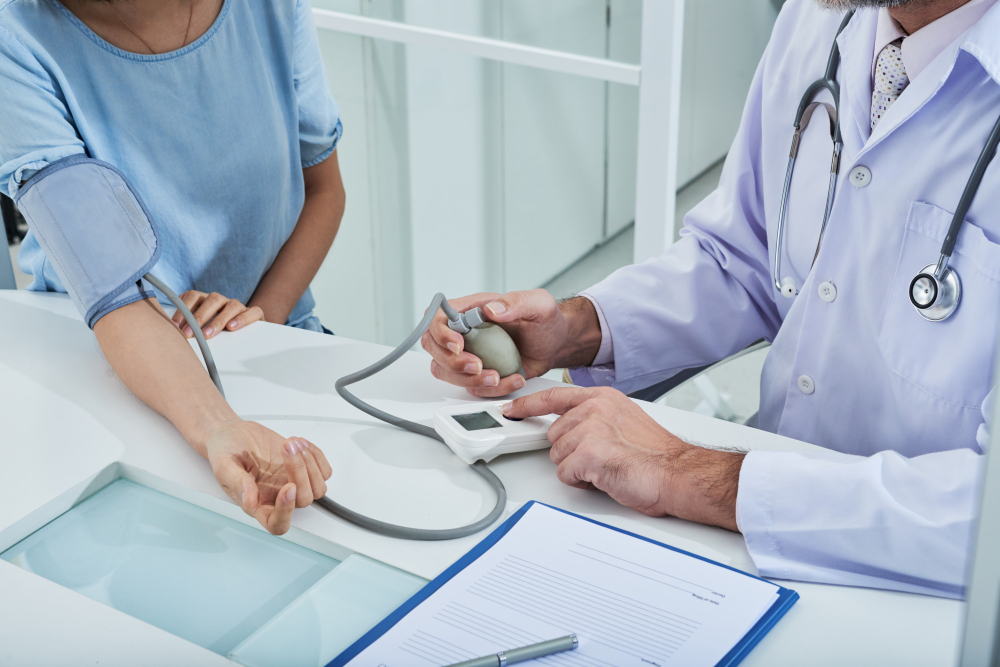
Doctors diagnose hypertension by measuring your blood pressure. They use a device called a blood pressure cuff. Usually, they take several readings on different days to confirm the diagnosis. According to the Centers for Disease Control and Prevention (CDC), a normal reading is below 120/80 mmHg. If your numbers are higher, you may have hypertension. Sometimes, doctors may order blood tests or urine tests to check for other health problems. They may also ask about your family history and lifestyle.
Treatment Options
Treating hypertension is important to prevent serious health problems. Doctors often suggest a mix of medications and lifestyle changes. Here are some common treatment options:
In some cases, people may need to try more than one medicine. Always follow your doctor’s advice for high blood pressure management.
Prevention Tips and Healthy Lifestyle Guidance
Preventing hypertension is possible for many people. Even small changes can make a big difference. Here are some hypertension prevention tips:
For people living in cities, it can be hard to find time for exercise. However, even short walks or home workouts can help. In addition, many local clinics offer free blood pressure checks.
When to Seek Medical Help
Sometimes, you may need to see a doctor right away. Seek help if you have:
These could be signs of a serious problem, such as a stroke or heart attack. Do not wait—call emergency services if you have these symptoms.
Conclusion
In summary, hypertension is a common but serious health issue. Early detection and proper management can help prevent complications. Remember, healthy habits and regular check-ups are key. Consult a healthcare professional at Pushpanjali Specialty Clinic for personalized advice.