What is Hypothyroidism?
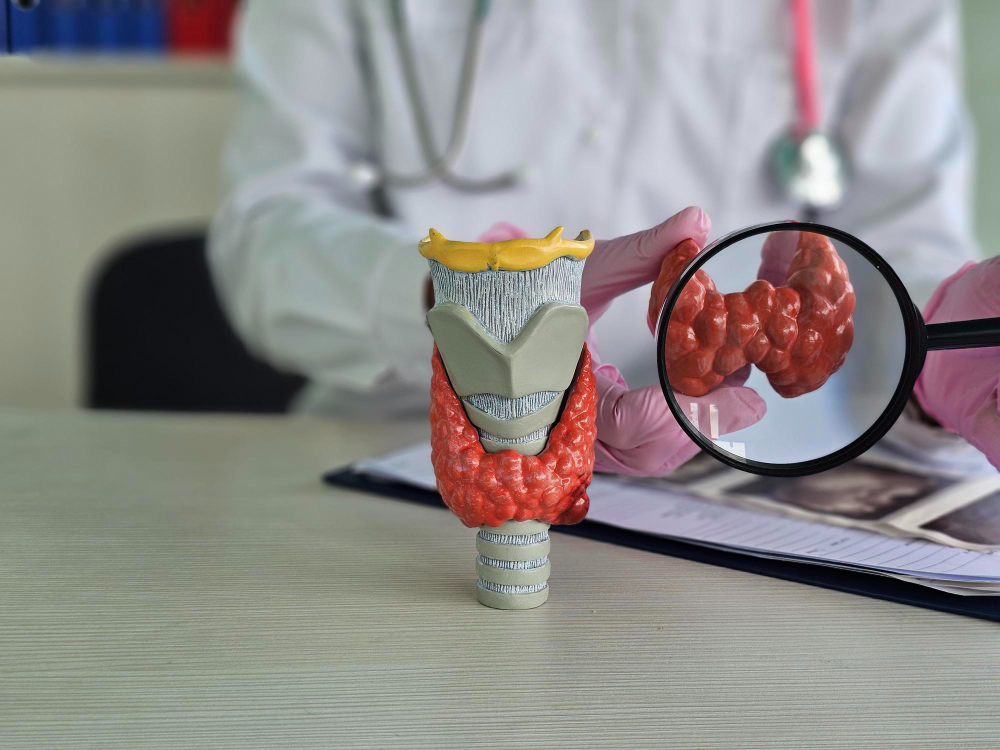
Hypothyroidism, also called an underactive thyroid, happens when your thyroid gland does not make enough hormones. These hormones help control your body’s energy and many other important functions. Because of this, low thyroid hormone levels can slow down your body’s processes. According to the World Health Organization (WHO), hypothyroidism is common, especially in women and older adults. Early detection is important, as untreated hypothyroidism can affect your health in many ways.
Common Symptoms of Hypothyroidism
Symptoms of hypothyroidism often develop slowly. Sometimes, they are mistaken for signs of aging or other health problems. However, knowing the signs of low thyroid can help you seek help sooner. Common symptoms include:
Because these symptoms can be mild at first, many people do not notice them right away. But over time, symptoms can become more noticeable and affect daily life.
Causes and Risk Factors
There are several causes of hypothyroidism. The most common cause is an autoimmune disease called Hashimoto’s thyroiditis. In this condition, the immune system attacks the thyroid gland. Other causes include:
Some people have a higher risk of developing hypothyroidism. For example, women, people over age 60, and those with a family history of thyroid disease are more likely to develop it. In some areas, low iodine in the diet can also increase risk.
How Hypothyroidism is Diagnosed
If you have symptoms of hypothyroidism, your doctor will usually order blood tests. These tests measure levels of thyroid hormones (T4) and thyroid-stimulating hormone (TSH). High TSH and low T4 levels often mean you have hypothyroidism. Sometimes, doctors may check for thyroid antibodies to find out if an autoimmune disease is the cause. Early diagnosis is important, as it helps prevent complications.
Treatment Options
Most people with hypothyroidism need daily medicine to replace missing thyroid hormones. The most common treatment is levothyroxine, a synthetic hormone. This medicine helps restore normal hormone levels and relieves symptoms. Your doctor will adjust the dose based on your blood tests. Although treatment is usually lifelong, it is simple and effective. In rare cases, other medicines or treatments may be needed.
Lifestyle Tips for Managing Hypothyroidism
Along with medicine, healthy habits can help you manage hypothyroidism naturally. For example, you can:
Because some foods and medicines can affect how your body absorbs thyroid medicine, always follow your doctor’s advice.
Prevention and When to See a Doctor
While you cannot always prevent hypothyroidism, regular check-ups can help catch it early. For example, if you have a family history of thyroid disease or other risk factors, ask your doctor about screening at Pushpanjali Speciality Clinic. If you notice symptoms like tiredness, weight gain, or changes in mood, do not ignore them. Early treatment can help you feel better and avoid problems. In addition, see your doctor at Pushpanjali Speciality Clinic if you are pregnant or planning to become pregnant, as thyroid health is important for both mother and baby.
In summary, hypothyroidism is a common condition that can affect your health in many ways. However, with the right treatment and healthy habits, most people manage it well. Consult Pushpanjali Speciality Clinic for personalized advice on hypothyroidism.