
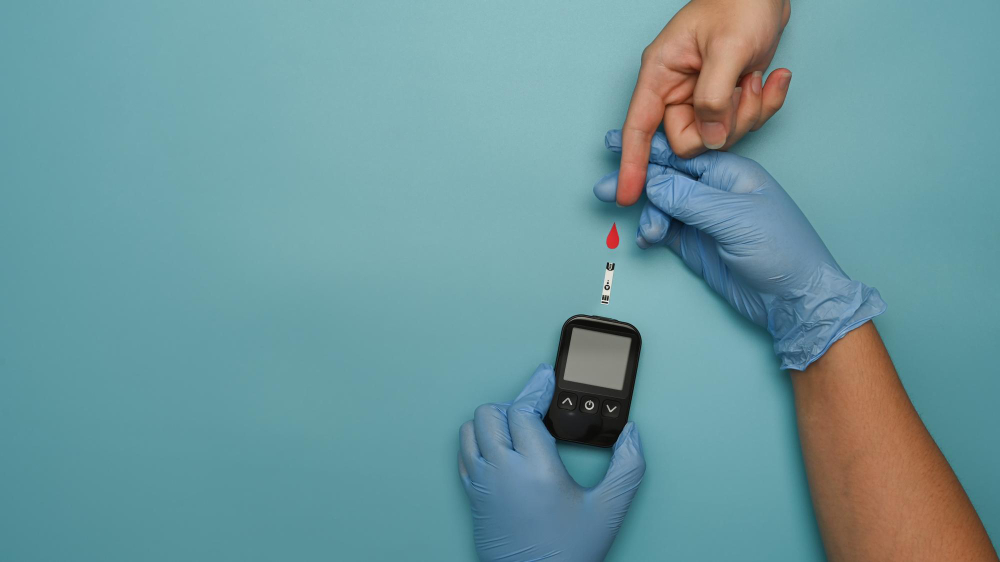
What is Type 2 Diabetes?
Type 2 Diabetes is a long-term health condition. It happens when your body cannot use insulin well. Insulin is a hormone that helps control blood sugar. Because of this, blood sugar levels get too high. This can harm your body over time. Type 2 Diabetes is the most common type of diabetes. According to the CDC, millions of people worldwide have this condition. Early care can help you live a healthy life.
Common Symptoms
Many people with Type 2 Diabetes do not notice symptoms at first. However, some signs may appear as blood sugar rises. If you notice these symptoms, talk to your doctor:
Sometimes, symptoms are mild. Still, early detection is important for better health.
Main Causes and Risk Factors
Type 2 Diabetes develops when your body does not use insulin well. Over time, your body may also make less insulin. Several factors can raise your risk. For example, you may be more likely to get Type 2 Diabetes if you:
Even so, anyone can develop Type 2 Diabetes. Making healthy choices can lower your risk.
Diagnosis Methods
Doctors use simple tests to check for Type 2 Diabetes. Usually, they will:
Common tests include:
Early diagnosis helps prevent serious problems. Therefore, regular check-ups are important, especially if you have risk factors.
Treatment Options
Treating Type 2 Diabetes helps keep your blood sugar in a healthy range. Treatment plans may include:
Your doctor will help you choose the best plan. Sometimes, lifestyle changes alone can control Type 2 Diabetes. In other cases, medicines are needed. Always follow your doctor’s advice for the best results.
Lifestyle Tips for Managing Type 2 Diabetes
Managing Type 2 Diabetes is possible with healthy habits. Here are some tips to help you:
With these steps, you can feel better and lower your risk of problems.
Prevention Strategies
Although some risk factors cannot be changed, you can still lower your chances of getting Type 2 Diabetes. Try these prevention tips:
Even small changes can make a big difference. For example, losing just a few pounds can help prevent Type 2 Diabetes.
When to See a Doctor
If you notice symptoms of Type 2 Diabetes, see your doctor soon. Early care can prevent serious health issues. Also, if you have risk factors, ask your doctor about testing. Regular visits help keep your blood sugar under control. Remember, your doctor can guide you to the best care plan.
Consult a healthcare professional at Pushpanjali Speciality Clinic for personalized advice on managing Type 2 Diabetes.